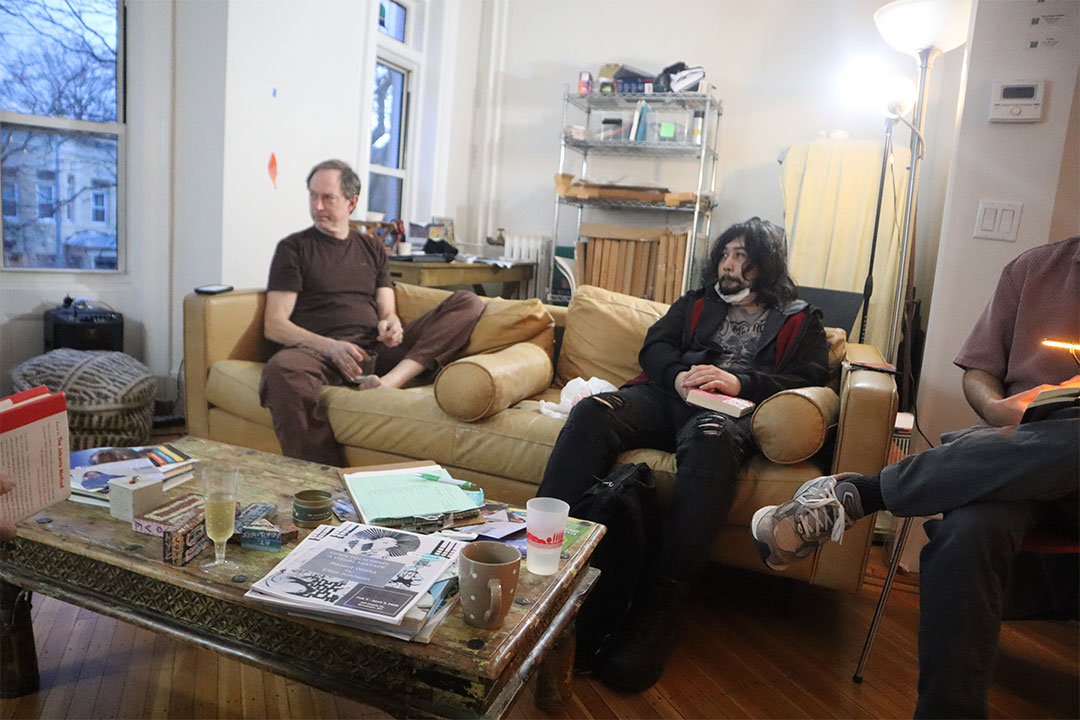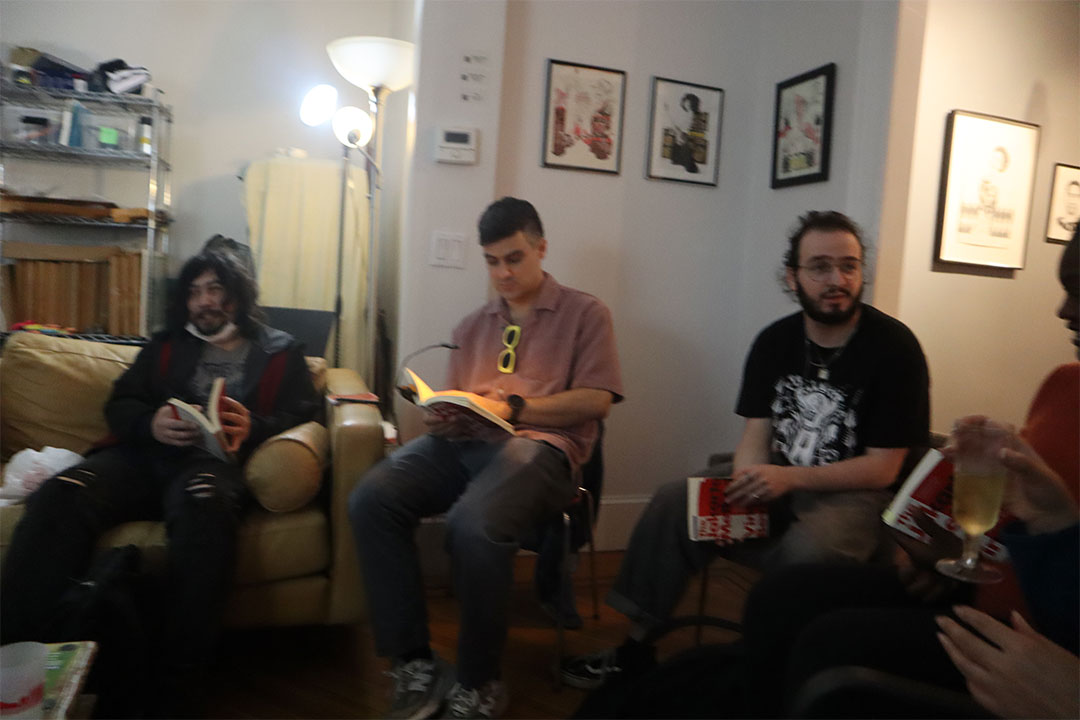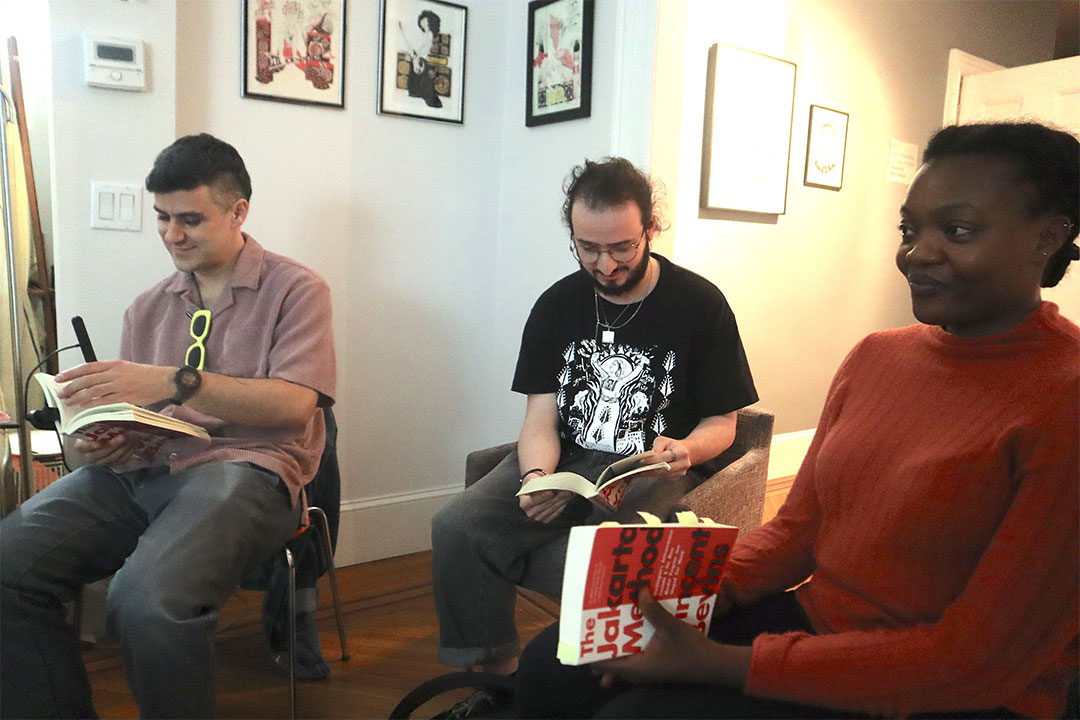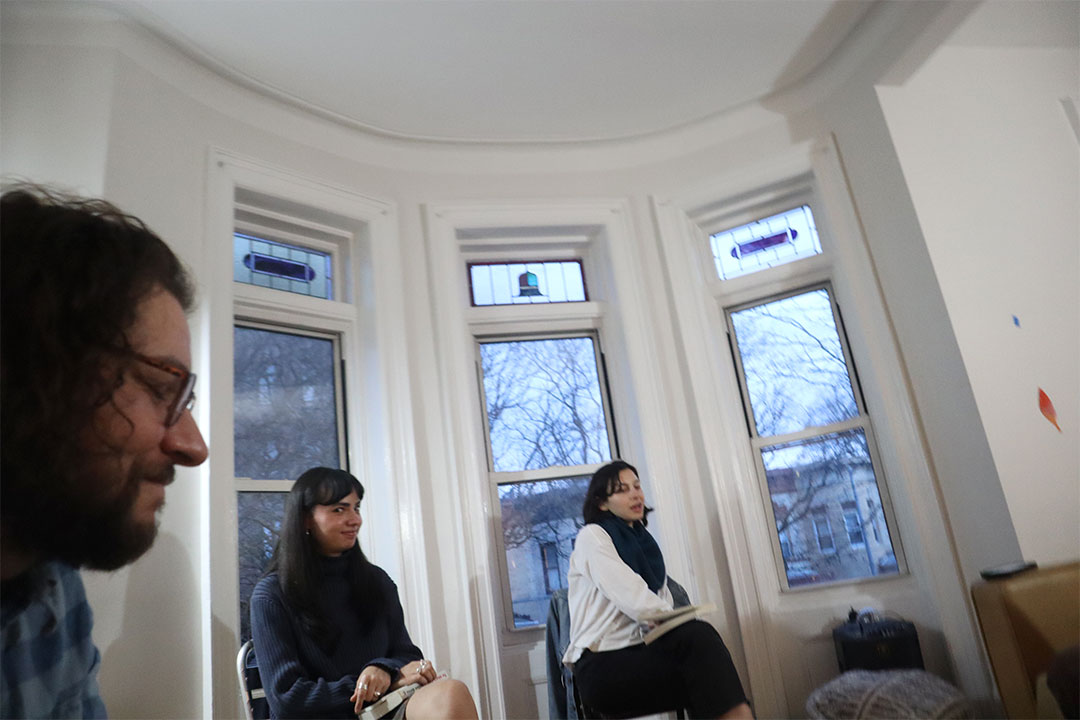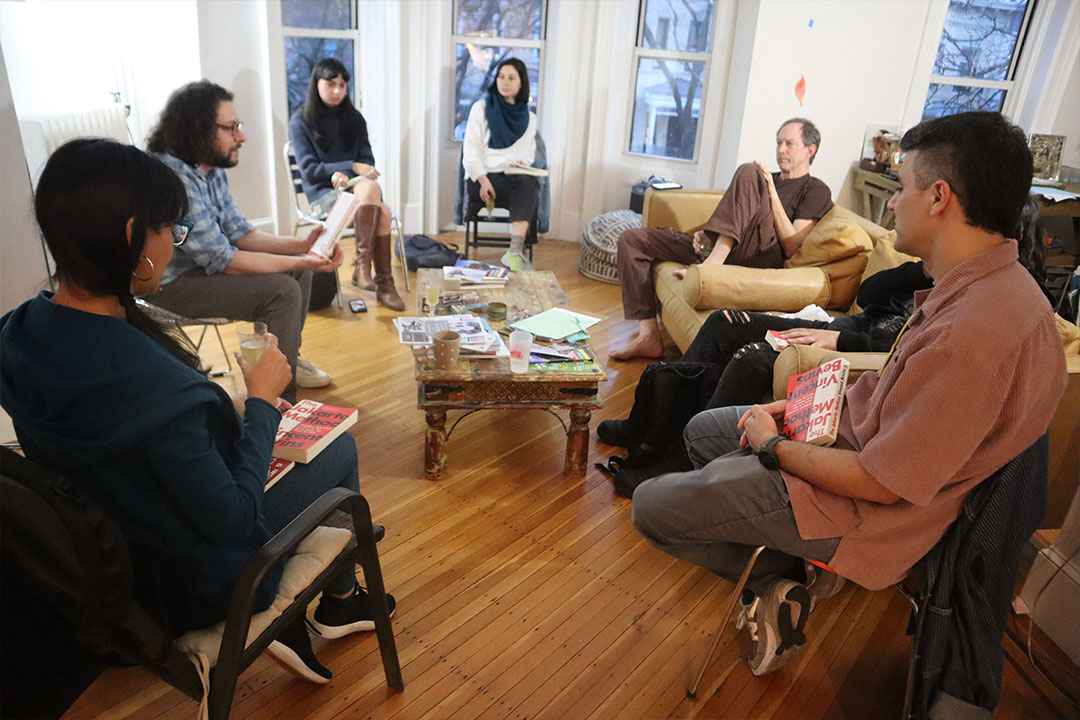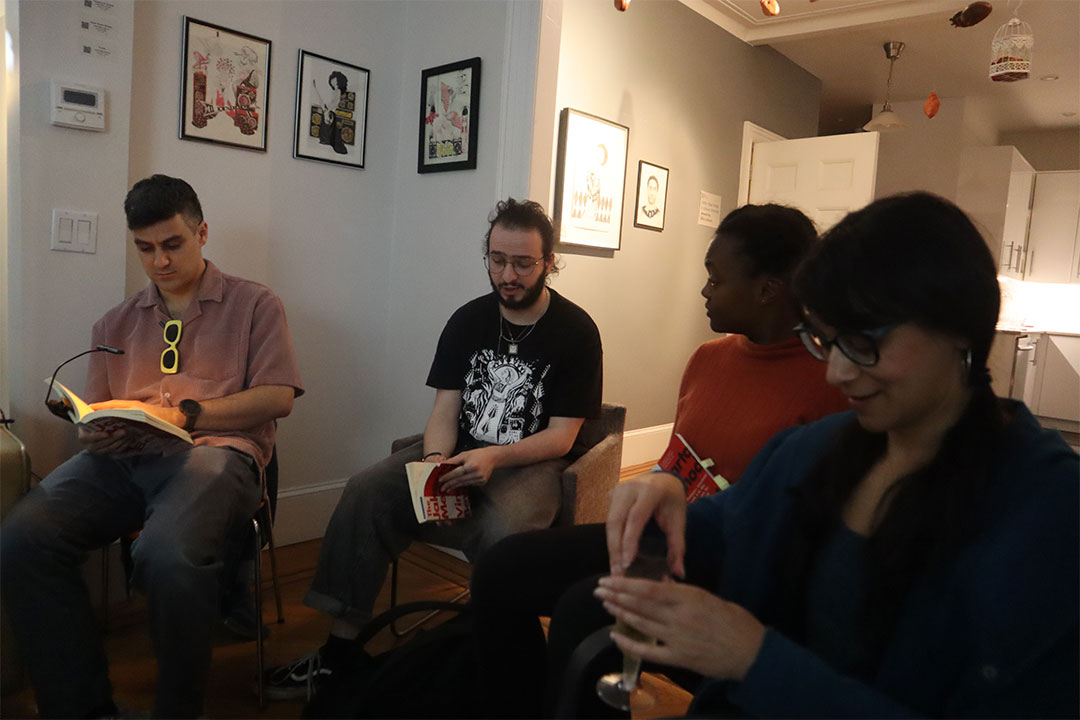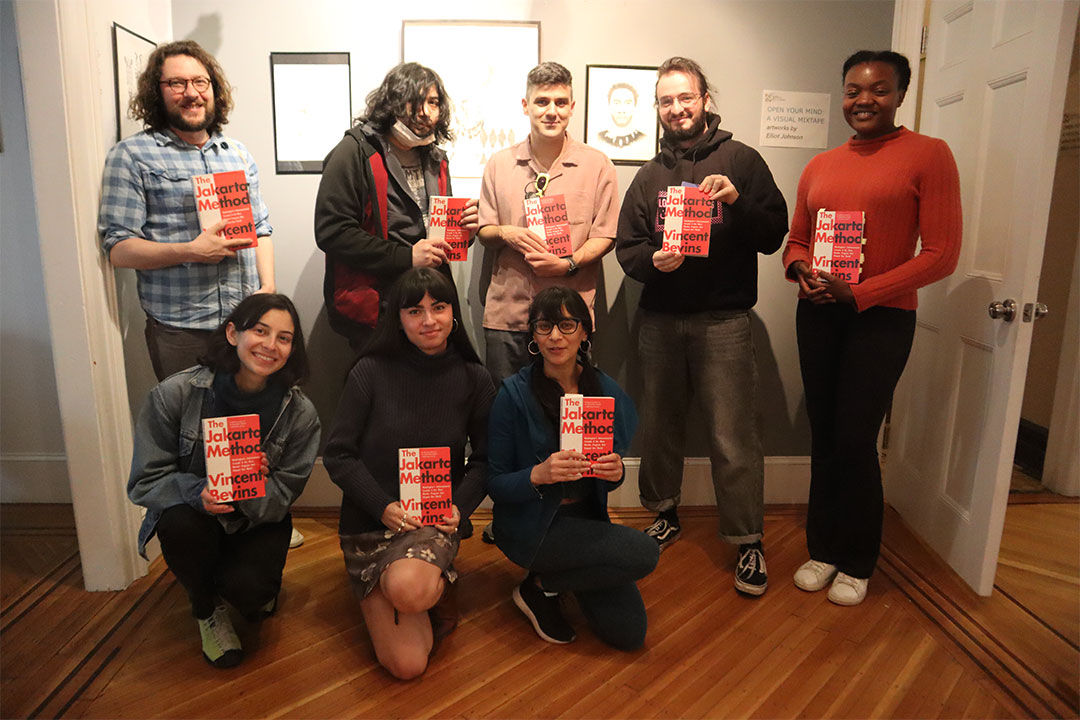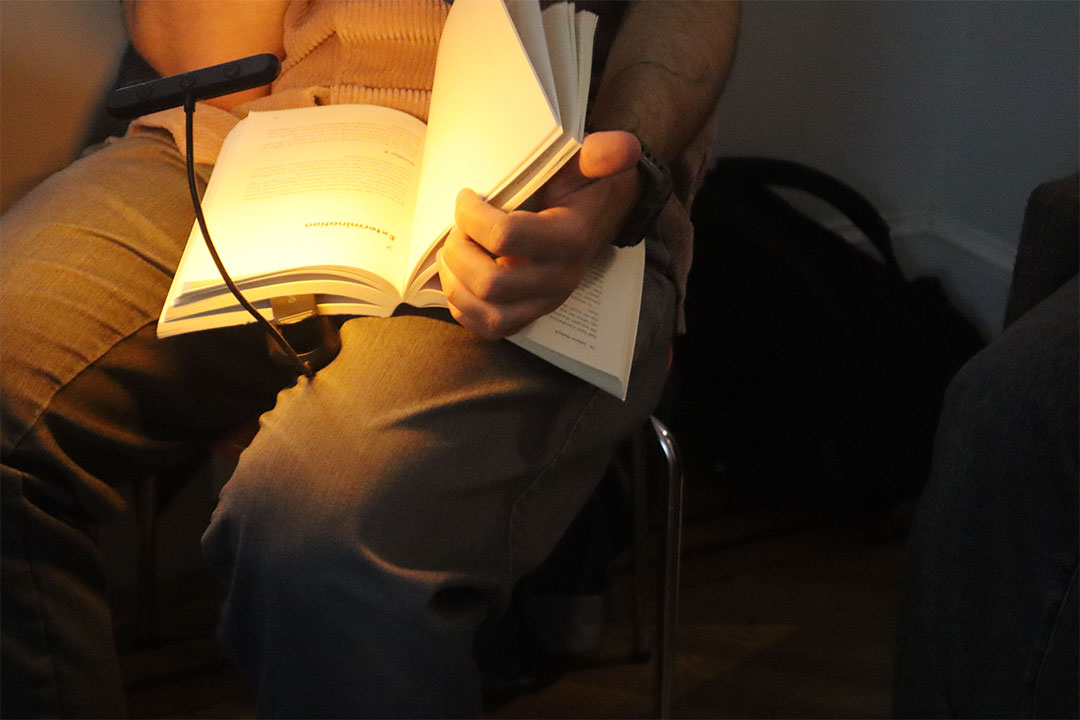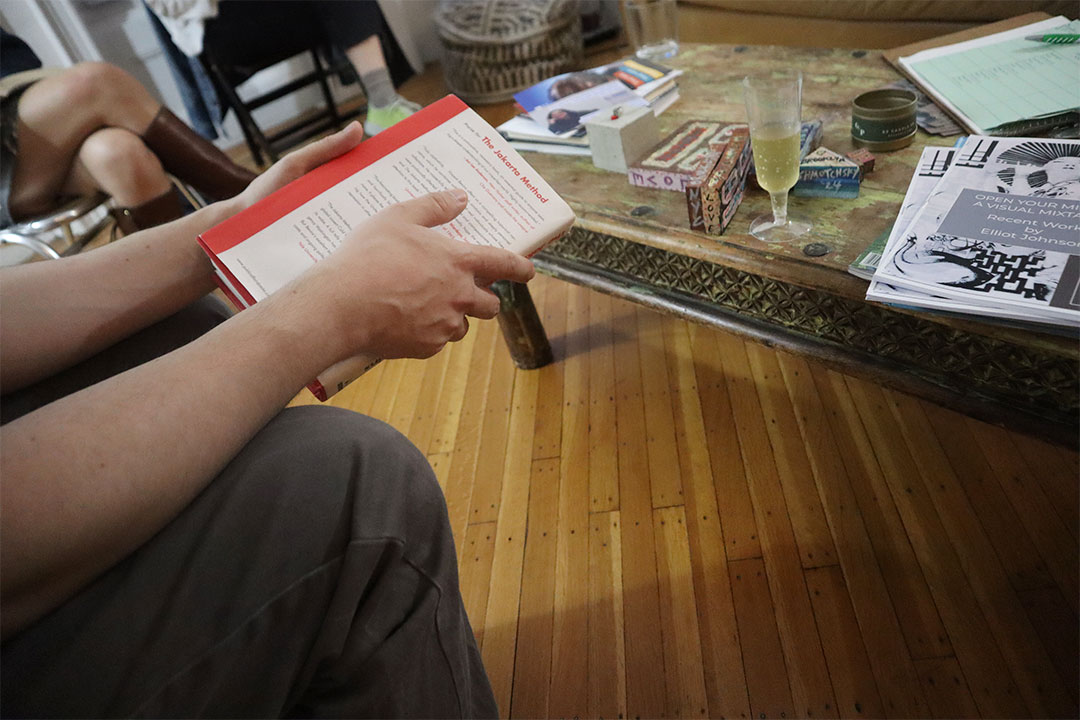
On Friday night, we got together at Gallery Particulier to talk about The Jakarta Method* by Vincent Bevins, but the conversation didn’t restrict itself to the book’s content. It moved between Indonesia in 1965 and the present, between systematic oppression in the past and what we are experiencing now, between history and current affairs.
At some point, the discussion opened into the war on Iran. It was a natural continuation of the conversation: drawing connections, questioning patterns, trying to understand how these histories interconnect and echo each other.
We were off our screens, actually in the room with each other, listening, responding, sometimes challenging, but also connecting on a human level. There was emotion involved too, not just our brains! People present clearly cared, not just about the ideas, but about what they mean in real life.
The group itself brought a wonderful kind of energy, vibrant, thoughtful, open. Conversations unfolded naturally, sometimes circling, sometimes sidestepping, but always meaningful.
There was a sense of hope in putting our heads, our hearts together around political issues. Just the fact of people showing up, paying attention, and trying together to make sense of the world, implied there is more to our world than one loud, dissonant voice.
This bookclub is a branch of CodePink, a feminist grassroots organization working to end U.S. warfare and imperialism, support peace and human rights initiatives, and redirect resources into healthcare, education, green jobs and other life-affirming programs.
*After a failed coup in 1965, the Indonesian military—backed by the U.S. and its allies—carried out mass killings of people suspected of being connected to the left. This included members of the Communist Party, union organizers, intellectuals, and often just ordinary people accused without evidence.
“The Jakarta Method” refers to this specific Cold War-era strategy of eliminating political opposition, especially leftists, through mass violence, and the way that strategy spread globally, in Latin America in particular.
At Gallery Particulier, we were thrilled to host such a vibrant group of people. It is particularly meaningful that they are clearly committed to opposing resistance to the current attacks on human rights, on civil rights, on decency. Our mission is to offer an alternative experience of visual arts, and that includes hosting events such as these. If you have an event that you’d like to have hosted, write to us at contact@galleryparticulier.org